
Layers of Light: Crafting Your Signature Home Scent
Step into an inviting practice where scent becomes design: today we explore layering candle fragrances to create a signature home aroma that feels unmistakably yours. Learn how complementary notes travel through rooms, how timing affects intensity, and how materials shape throw. Expect practical techniques, sensory stories, and experiments you can repeat. Along the way, discover blends that honor seasons, routines, and mood. Share your favorite pairings in the comments, subscribe for new recipes, and help this space grow with your questions and personal discoveries.
Top, Heart, and Base: The Home Version
Think of hospitality unfolding in stages: a zesty spark at the door, a comfortable melody in gathering spaces, and a warm whisper settling into fabrics. Pair a bright bergamot or grapefruit with a gentle lavender, then ground everything with cedar, amber, or tonka for welcoming continuity.
Finding Complementary Families
Choose families that converse rather than compete. Citrus lifts aromatic herbs; florals soften smoky woods; gourmands add coziness without cloying when tempered by spice. Start with two families that share a bridge note, like lemon and rosemary, or rose and oud, then add one subtle supporting accent.
Designing Scent Zones Through Space
Great layering considers architecture as much as aroma. Plan gentle transitions between entry, communal areas, corridors, and retreats. Use airflow, doorways, and height to braid fragrances rather than collide them. Establish intensity gradients so arrivals feel crisp, conversations feel textured, and quiet corners resolve into soft, nurturing comfort.
Entryway Invitations
Place a bright, diffusive candle closer to the door, ideally citrus or green tea, to announce freshness without overwhelming. A few steps in, let a soft floral or linen accord meet the spark, easing guests from threshold to welcome. Keep wicks trimmed to maintain clarity and uplift.
Living Room Conversation Blend
Anchor the gathering area with a woody or amber base that reads cozy from across the room. Introduce a nearby accent—perhaps cardamom or fig—to shape dimension during dialogue. When music rises, add a tiny citrus flicker to lift the atmosphere without stealing attention from people.
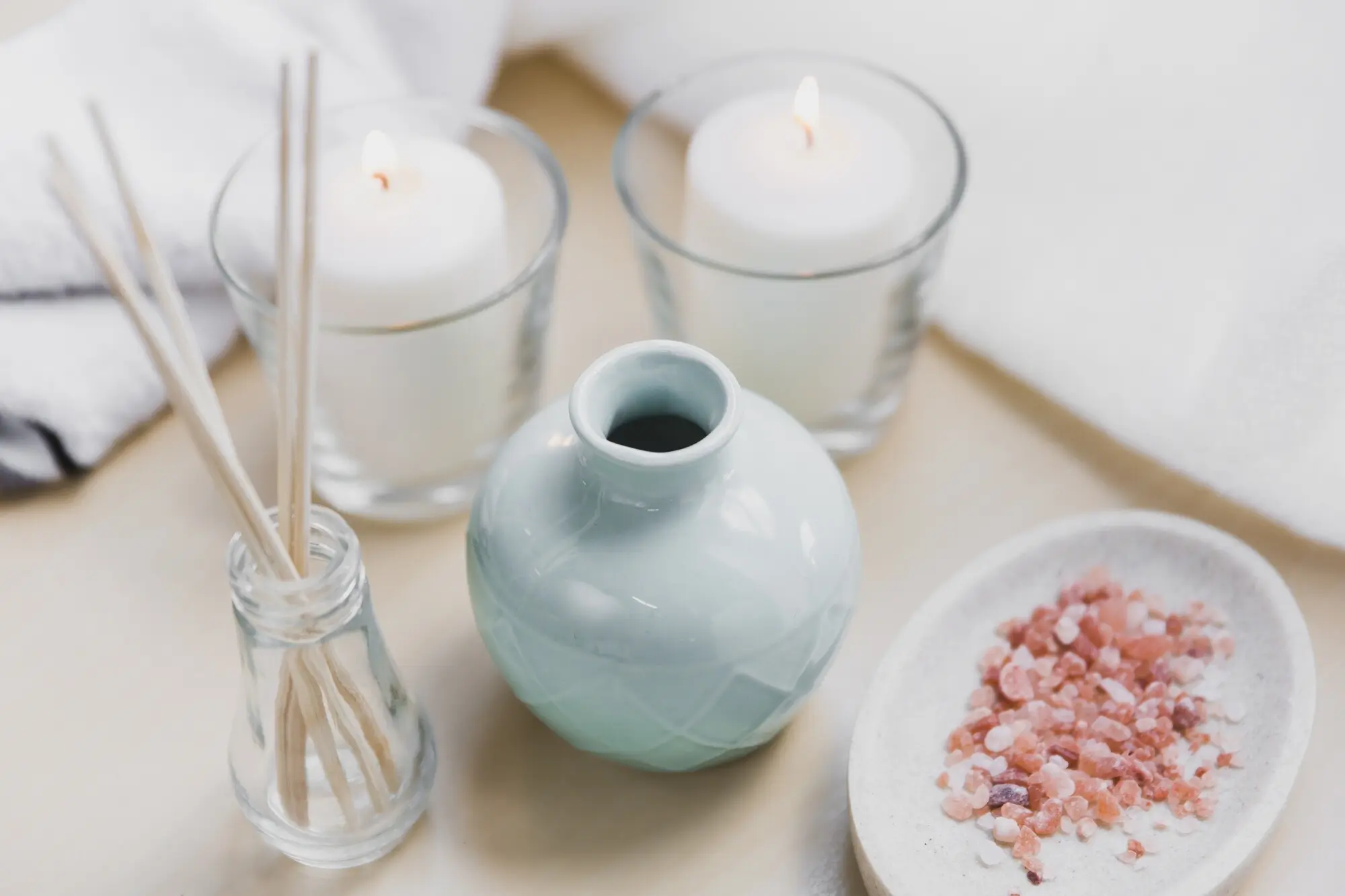
Staggered Starts and Fade Control
Different notes peak at different times. Light base-heavy blends early so resins unfurl, add heart notes as conversations warm, then finish with a fleeting top note so goodbyes feel buoyant. Keep a timer nearby, rotate positions, and document minutes until each fragrance reaches satisfying presence.
One Anchor, Two Accents
Stability plus variation beats chaos. Choose a reliable anchor—perhaps cashmere woods or clean musk—then alternate two accents according to occasion. A herbal lift for daytime clarity and a spiced gourmand for evenings create familiarity with freshness, letting visitors notice continuity while welcoming delightful shifts across hours.
Blending Without Mixing Wax
Let air do the mixing, not the vessels. Keep candles in separate holders, spaced to prevent heat interference. Rotate trays or pedestals to adjust cross-breezes. Snuff one when it dominates, relight once balance returns. This preserves clean burn profiles while achieving nuanced, room-filling harmony.
Timing and Layering Techniques
Timing controls perception. Start with an anchor candle twenty minutes before guests arrive, building a stable base. Five minutes prior, introduce your first accent, then a brief spark right at the knock. Learn staggered schedules, rotation habits, and safe distances that preserve clarity while achieving nuanced depth.
Materials, Throw, and Candle Quality
Materials decide performance long before the match. Soy and coconut often deliver softer, slower throws; beeswax glows warmly with natural honeyed nuance; well-formulated paraffin projects boldly. Wick gauge, core material, and trim length shape flame temperature, while vessel diameter, height, and lid choices govern diffusion, longevity, and safety.
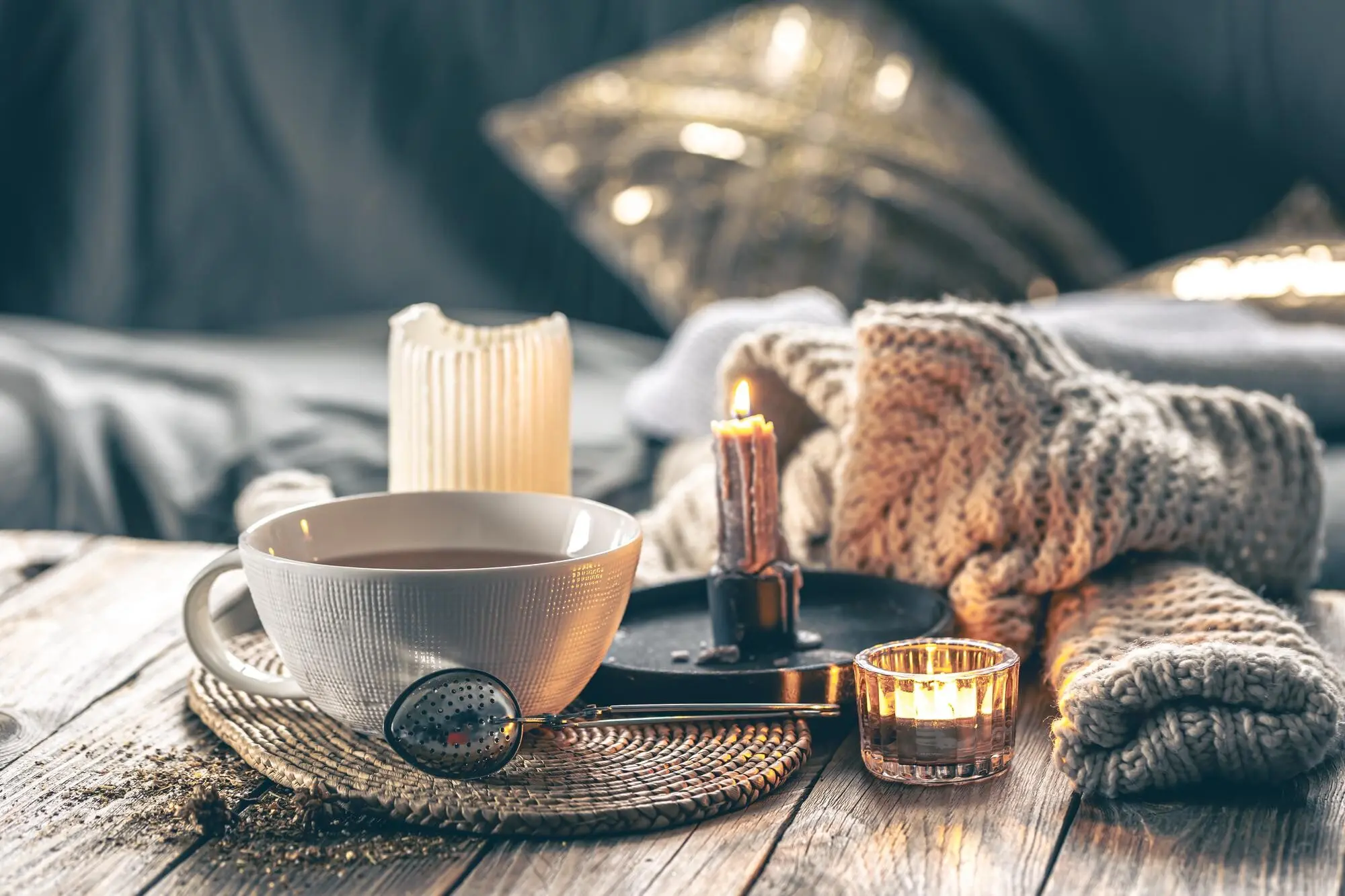
Stories, Seasons, and Personal Signature
Memorable spaces tell a story through aroma. Build narratives tied to rituals: sunrise coffee with lemon peel and sage; golden afternoons with fig and hay; winter evenings with pine resin and vanilla smoke. Rotate accents seasonally while protecting your anchor, so home identity remains constant, comforting, and unmistakable.
Morning Ritual Blend
Wake the kitchen with sunlight and purpose. Start a gentle citrus candle near the sink, add a basil or rosemary flicker by the coffee station, and keep a clean linen glow across the hallway. The trio feels crisp, focused, and inviting without crowding delicate morning appetites or thoughts.
Gathering Nights Blend
Evenings deserve warmth with structure. Anchor the room with sandalwood or amber, tuck a cardamom or clove accent near the bar cart, and offer a late citrus zest near the entry so departures feel bright. The balance keeps conversation grounded yet lively long after plates are cleared.
Rainy Day Reset
When clouds linger, lean into texture. A petrichor-inspired mineral candle pairs beautifully with damp cedar and a whisper of black tea. The result reads clean, thoughtful, and restorative, like throwing open windows after a storm, but without the chill that can sap afternoon momentum indoors.
Care, Safety, and Troubleshooting
Confident layering rests on great habits. Trim wicks, mind surfaces, and respect safe distances from fabrics and curious hands. Burn for long enough to reach full melt pools, then rest. When smoke appears or notes muddle, diagnose airflow, wick length, and candle placement before changing your carefully chosen pairing.