
Light, Breathe, Reset: Candle Rituals for Rest, Clarity, and Ease

Welcome. Today we explore Wellness Rituals: Aromatherapy-Inspired Candle Pairings for Sleep, Focus, and Stress Relief, transforming small sensory moments into reliable anchors for better days and calmer nights. Learn how scent pathways nudge mood, attention, and nervous system balance, then apply simple, repeatable steps. Try a pairing tonight, track how you feel tomorrow, and share your reflections with our community. Subscribe for thoughtful reminders, friendly experiments, and steady encouragement to keep gentle, life-improving habits alive.

How Scent Speaks to the Brain

Fragrance molecules travel directly from the nose to the olfactory bulb, brushing the amygdala and hippocampus where emotion and memory meet, which explains why a single inhale can change mood within minutes. Lavender’s linalool may soften stress perception, while rosemary and peppermint often lift alertness and working memory. Effects vary by person, dose, and context, so treat exploration like play. Combine mindful breathing, consistent timing, and journaling to notice patterns, then adjust your pairings for stable benefits without overwhelm.

Olfaction, Memory, and Mood

Aroma bypasses lengthy cognitive routes, stirring feelings before we name them, which is why a familiar candle can instantly soften a tense afternoon. Try linking calm scents with specific routines—stretching, reading, or reflection—so your brain learns to anticipate ease. One reader reported that a soft lavender-bergamot blend cued gratitude journaling so reliably that evenings felt shorter yet fuller, with less doomscrolling and fewer restless thoughts before bed.
Circadian Cues and Evening Light

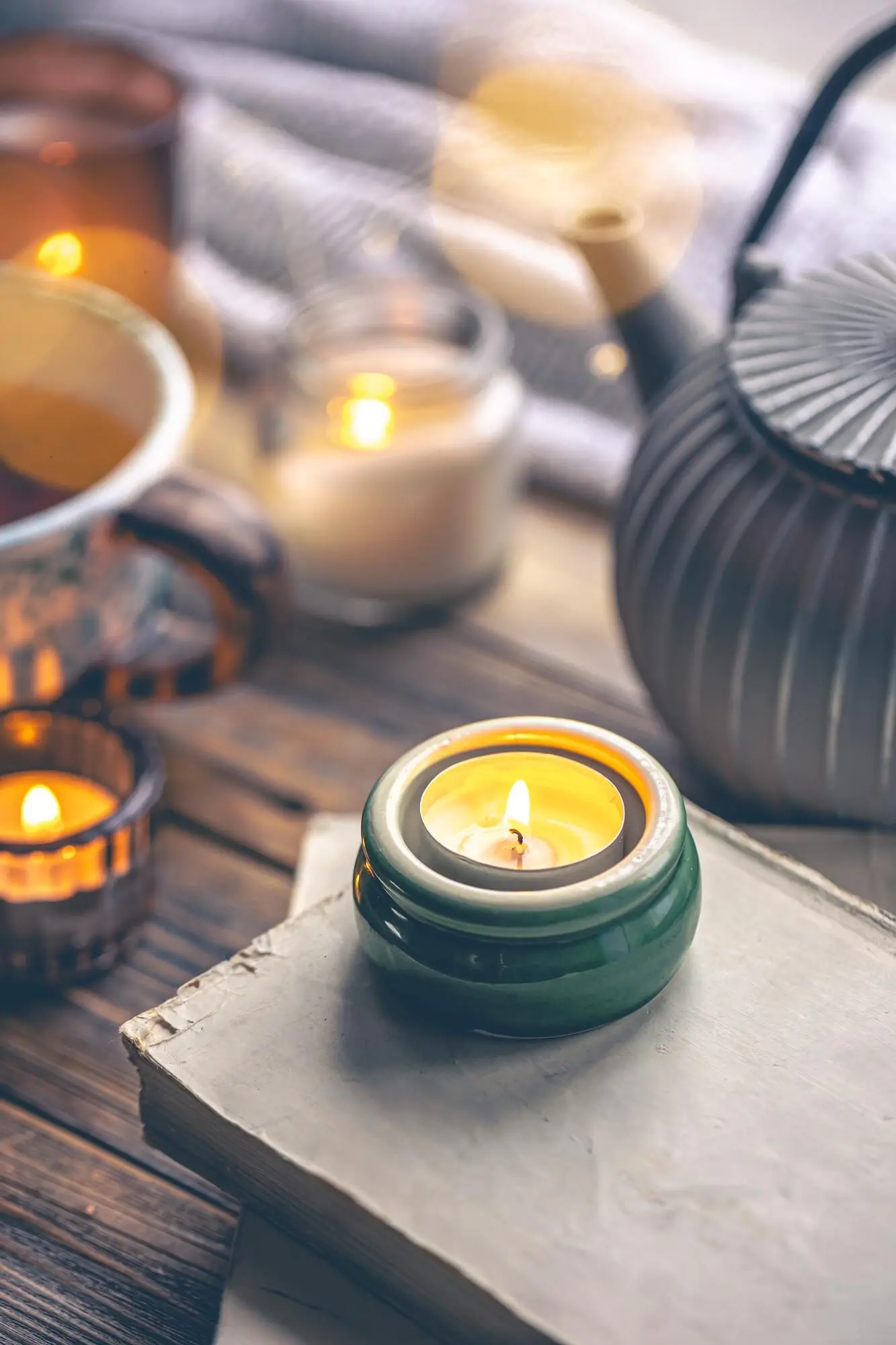
Dimming lights in the evening supports melatonin release, and a single gentle flame helps the mind drift from screens to rest. Pair warm, low light with grounding aromas to mark an internal sunset. Keep flames away from curtains, pets, and drafts, and always snuff instead of blowing to preserve air quality. Consider a twenty-minute burn window, followed by darkness and quiet breathwork, allowing your nervous system to downshift without mixed signals from glowing devices.

Cognitive Arousal Without Jitters

For focused work, peppermint, rosemary, or lemon can gently lift alertness without the edginess of excessive caffeine. Light your candle, set a timer, and take five paced breaths before starting a task. A designer told us replacing the second espresso with a crisp peppermint soy candle calmed hand tremors during intricate retouching, improving accuracy and patience. Keep water nearby, ventilate lightly, and transition to calmer notes later to protect bedtime wind-down.


Evening to Lights-Out: A Restful Candle Flow

Build a simple progression that invites sleep naturally: begin with a bright-soft bridge like bergamot layered over lavender to smooth the shift from day to night. After fifteen minutes, transition to deeper anchors—vetiver, sandalwood, or chamomile—to reduce mental noise. Combine with a warm shower, light stretching, and a phone drop zone far from the bed. End with brief gratitude notes, snuff the flame safely, and slide into darkness. Track wake-ups, dreams, and energy to fine-tune timing.

The Unwind: Soft Florals with Warm Woods

Start with a candle blending lavender, bergamot, and a whisper of cedarwood to signal gentleness without immediate drowsiness. Keep the room tidy and the soundtrack slow, letting your breath find an easy rhythm. If worries rise, jot them briefly, close the notebook, and return to the flame. Readers often report that this bridge phase shortens the distance between late emails and true unwinding, especially when paired with an herbal tea and a low, steady lamp.

Lights-Down: Earthy Anchors and Breath Counting

Shift to vetiver or sandalwood when you want the mind to settle. Sit for two minutes of 4-7-8 breathing while watching the flame, then carefully snuff it. Darkness should follow, not another scroll. Earplugs, cool sheets, and a simple mantra help your nervous system remember the pathway to rest. Note how quickly sleep arrives and how refreshed you feel at dawn; tiny adjustments in timing can produce surprisingly longer deep-sleep phases.

If You Wake: Gentle Reset Without Brightness

If you awaken in the night, avoid overhead lights. A covered match or electric lighter can safely relight a soft chamomile-vanilla candle for five minutes while you do calm, slow breathing. Do not read headlines or answer messages. Instead, place attention on scent, sensation, and the rhythm of your heart. Snuff, lie back down, and invite heaviness into your limbs. Keep notes in the morning to learn patterns and reduce late-evening stimulants.

Deep Work Companion: Scents that Focus Without Fray

Priming the Session: Ritual Cues That Signal Start

Before opening tabs, choose a single candle with rosemary and lemon, tidy your desk for one minute, and name the task out loud. Inhale slowly, matching exhale to a lengthened count to drop unnecessary muscle tension. This consistent cueing helps your prefrontal cortex prioritize, reducing procrastination loops. One analyst halved ramp-up time for financial modeling by repeating the same opening sequence daily, proving that ritual strengthens intention as predictably as a calendar alert.

Mid-Sprint Maintenance: Crisp Notes that Sustain

When attention wobbles, a subtle peppermint edge can refresh mental energy without tipping into restlessness. Keep airflow gentle to avoid overwhelming the nose, and stay hydrated to prevent scent fatigue. Set a midpoint micro-break—thirty seconds of shoulder rolls while glancing at the flame’s steady line—to re-center posture and purpose. Report back on whether brightness or green-herbaceous tones work better for you; our readers love comparing focus profiles across different roles and tasks.

Closing the Loop: Downshift to Protect Sleep

As you wrap deep work, extinguish stimulating aromas and briefly introduce a calming cardamom-lavender blend while organizing notes. This intentional downshift prevents your mind from racing into the night. Jot a “tomorrow trigger” on a sticky note, file it, and leave the desk. Over time, this pairing teaches your brain that progress can be both ambitious and kind. Comment with your favorite evening transition, and help others defend their rest without sacrificing momentum.

Unwind the Knots: Easing Stress After a Long Day

Stress relief thrives on repetition, warmth, and compassionate pacing. A bright yet tender start—bergamot with a slice of neroli—can lift heavy moods, followed by grounding cedarwood or frankincense to stabilize breath and heart rate. Layer in gentle stretches, a shower, or a warm compress. Keep conversation boundaries clear: fewer problem-solving loops, more decompression. Use a notebook to release mental clutter, and end with a simple kindness you’ll offer yourself tomorrow. Share your wins so others find courage to slow down.

Materials, Safety, and Air Quality You Can Trust

Choose clean-burning materials to protect lungs and home. Plant-based soy or rapeseed wax, or ethically sourced beeswax, paired with cotton or wood wicks, generally burns cooler and steadier. Look for phthalate-free fragrances and transparent ingredient lists. Trim wicks to about a quarter inch, keep flames supervised, and use heat-safe holders on stable surfaces. Ventilate lightly after extinguishing and consider candle-free nights to rest indoor air. If anyone experiences headaches, pause use and test alternatives like diffusers.

Clean Burns: Wax, Wicks, and Fragrance Integrity

Quality begins with wax purity and wick construction. Uneven wicks can mushroom and soot; trimming prevents flare-ups and discoloration. Avoid heavily dyed candles near white walls. Seek brands that disclose fragrance components, especially allergens, and prioritize essential-oil blends tested for safe diffusion. If tunneling starts, a brief foil wrap can even the melt pool. Document which brands leave you clear-headed and which feel heavy; your notes help the community navigate crowded shelves with confidence.

Practical Precautions: Timers, Distance, and Surfaces

Safety habits protect the magic. Use a kitchen timer or phone reminder so candles never outlast attention. Place them a forearm’s length from paper, fabrics, and hanging plants, far from curious pets. Coasters or trays prevent heat rings. Never move a lit candle, and always snuff rather than blow to minimize particulates. A quick window crack post-burn refreshes air. Share your setup photos for feedback; small adjustments can significantly improve both safety and scent distribution.

Sensitive Households: Kids, Pets, and Ventilation

Households with children or animals require extra care. Keep flames well beyond reach and consider unscented beeswax for shared spaces if anyone is sensitive. Some essential oils are unsuitable around cats and certain birds; consult a veterinarian and err on the cautious side. Balance aroma enjoyment with fresh air and occasional breaks from fragrance. Readers with migraines often succeed using milder single-note candles, brief burn times, and dark, quiet rooms. Your experiences can guide safer, kinder routines for all.

Personalize Your Pairings and Track What Works

Candle rituals work best when tuned to your nervous system, schedule, and tastes. Map preferred notes across three goals—sleep, focus, and stress relief—then run tiny experiments for a week at a time. Keep a simple log: scent, timing, mood before and after, sleep quality, and next-day energy. Rotate seasonally and adapt during hormonal shifts or big projects. Share your discoveries with us to refine community recommendations. Consistency beats intensity; small, repeatable wins accumulate into durable change.
Sentonarisirakaronexolivonovi
Privacy Overview

This website uses cookies so that we can provide you with the best user experience possible. Cookie information is stored in your browser and performs functions such as recognising you when you return to our website and helping our team to understand which sections of the website you find most interesting and useful.